
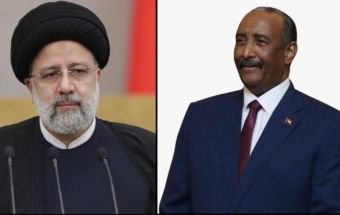
Jerusalem Post warns: Sudan is becoming a new hub in Iran’s terrorist campaign
In a volatile regional landscape, General Abdel Fattah al-Burhan — Sudan’s de facto ruler and army chief — is now being described by Israeli analysts as “Iran’s new Houthi,” according to a Jerusalem Post report warning that Sudan is turning into a forward base for Tehran’s expansionist strategy in Africa and the Red Sea.
Since resuming diplomatic ties with Tehran in October 2023, Sudan has drifted away from the path of normalization with Israel. Instead, the Sudanese government has opened its doors to Iran, offering the regime a strategic foothold on the Red Sea just as Israel intensifies its strikes against Iranian military networks across Syria, Lebanon, Iraq, and Yemen.
Covert Partnership Raises Israeli Alarms
The report alleges that Iran has already deployed intelligence, military, and logistical operatives inside Sudan, establishing weapons depots in the Red Sea ports and mountainous interior.
Advanced weaponry — including internationally banned arms — has been quietly shipped and buried underground, in what the paper calls “a silent corridor to sustain Iran’s network under Israeli pressure.”
Israel, the report notes, now sees Burhan not as a neutral military leader but as a dangerous enabler of Tehran’s regional agenda.
A Two-Faced Policy Threatening the Abraham Accords
The Jerusalem Post accused Burhan of practicing “strategic double-dealing”: sending emissaries to reassure Tel Aviv of his commitment to the Abraham Accords while secretly welcoming Iranian security officials, military advisers, and sensitive shipments of weapon components and possibly chemical agents.
This behavior, the report states, has shattered Israel’s trust and turned Burhan from a potential peace partner into a direct strategic threat.
A Brewing Proxy Flashpoint
Israel fears that Iran is not seeking new capitals but safe exits from strategic strangulation — and that it has found a soft entry point through Sudan’s political collapse and Burhan’s desperation to cling to power.
Tel Aviv analysts now compare Burhan to the Houthis of Yemen: not firing missiles, but granting Iran a new maritime corridor and logistical outpost on the Red Sea — a move that could trigger an Israeli preemptive strike on Sudanese soil.
As the report warns, Burhan’s gamble might not only burn Sudan — it could ignite a wider war across Africa if Tehran consolidates this foothold.
The question haunting policymakers now: Is Sudan still a sovereign state, or just Iran’s newest outpost under Burhan’s watch?