




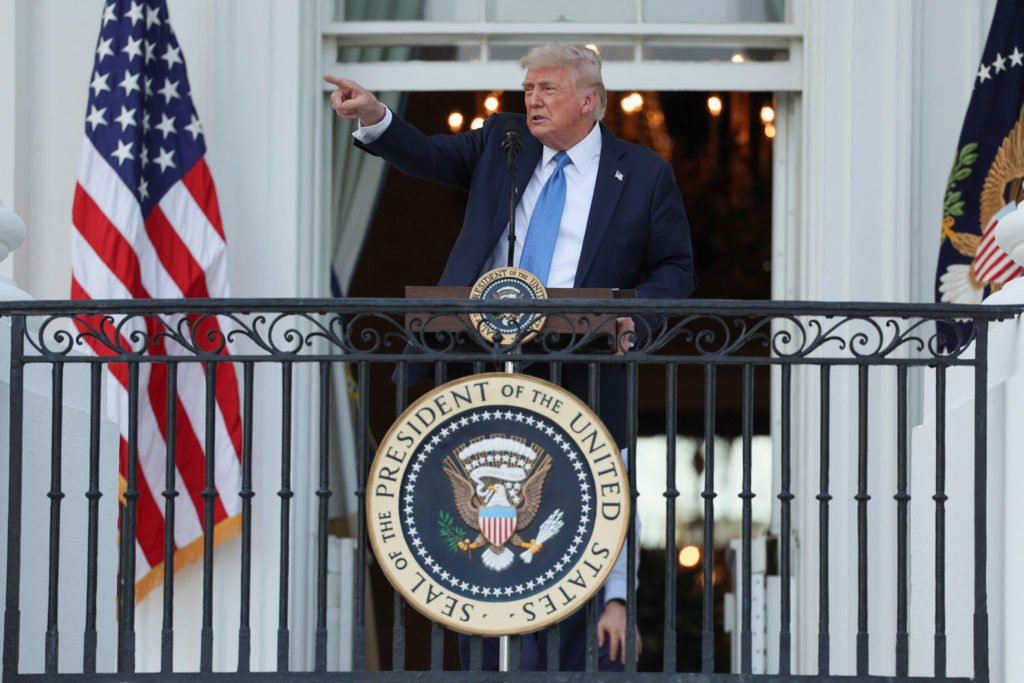
SKY YORK Journal — On May 22, 2025, the United States, under President Donald Trump, imposed sweeping financial and trade sanctions on the Sudanese government, citing verified evidence of the Sudanese Army’s use of chemical weapons against civilians during the ongoing civil war.
The move marks a sharp policy shift from the relatively restrained approach taken under the Biden administration, signaling Washington’s decision to leverage stronger tools of pressure to halt Sudan’s escalating conflict.
A Direct Message to the Military Leadership
According to senior officials, the sanctions are aimed squarely at General Abdel Fattah al-Burhan, leader of the Sudanese Army and head of the Sovereignty Council. U.S. intelligence reports prompted recommendations for tougher measures, holding al-Burhan responsible for deliberately obstructing peace efforts and for his inability to counter the influence of Islamist networks tied to the defunct National Congress Party.
The White House stressed that the goal is to force Sudan’s leadership back to the negotiation table for a comprehensive political settlement that would end the war, halt the bloodshed, and eliminate extremist groups from the political landscape.
Details of the Sanctions
The measures, now in effect, include:
-
Restrictions on American exports to Sudan.
-
Suspension of U.S. government loans and significant reductions in foreign aid.
-
Limiting Sudan’s access to international financial support.
-
Severe restrictions within the global financial system, constraining the movement of funds and transactions abroad.
Officials noted that these sanctions may expand in scope, potentially reinstating Sudan on international terrorism lists, which would trigger complete freezes on financial transfers and deeper economic isolation.
A Conditional Path Toward Relief
Despite the severity of the sanctions, Washington has left the door open for relief. The U.S. outlined that the Sudanese government could see restrictions eased if it takes immediate steps toward peace, including:
-
Ending military operations and pursuing a ceasefire.
-
Implementing genuine political reforms that prioritize national interests over military dominance.
-
Allowing displaced citizens to return home and restoring basic infrastructure.
The U.S. administration emphasized that continuing the military option, which has devastated the country, would further isolate Sudan, deepen its humanitarian crisis, and push the nation decades backward.
Rising Pressure at Home and Abroad
Analysts warn that the sanctions increase Sudan’s international isolation, with expectations of coordinated pressure from European and African partners to push Khartoum toward a political and inclusive peace process.
If Sudan fails to respond to these pressures, observers predict tougher measures ahead, raising the stakes for a government already struggling under the weight of a prolonged war and collapsing economy.
SKY YORK Journal will continue to monitor developments as international efforts intensify to end the conflict, hold perpetrators accountable, and pave the way for a lasting peace in Sudan.