
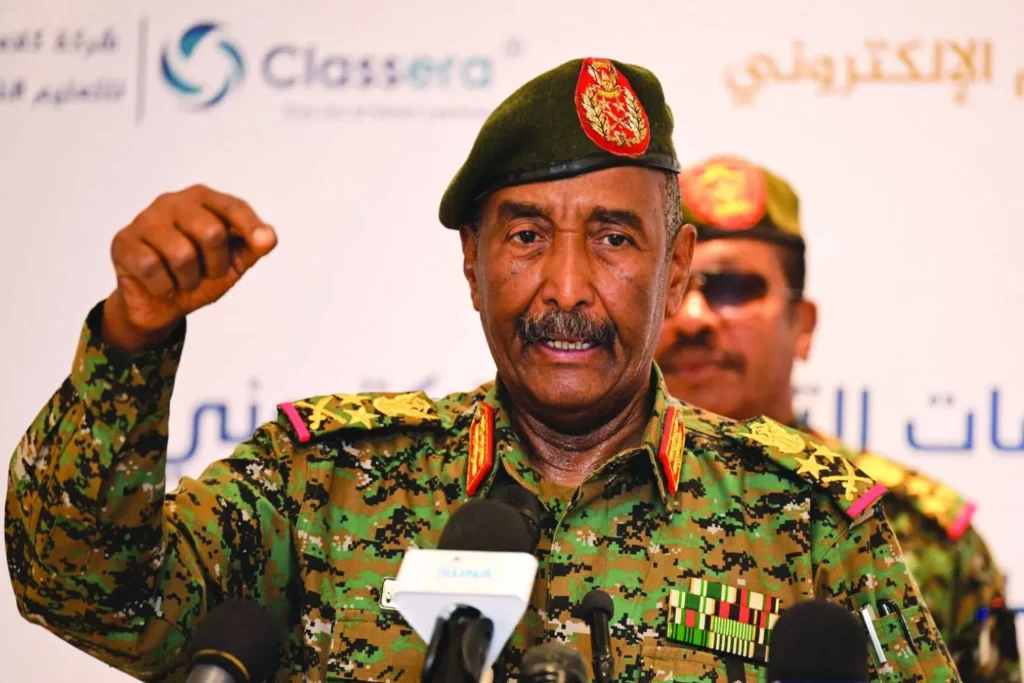
Washington moves to politically isolate Gen. Abdel Fattah al-Burhan over chemical weapons use
Sky York News — In a major escalation, the United States has imposed sweeping sanctions on Sudan’s military under the 1991 Chemical and Biological Weapons Control and Warfare Elimination Act, citing confirmed evidence of chemical weapons use against civilians during the ongoing civil war that erupted in April 2023.
The sanctions, effective June 26, 2025, include:
-
A full ban on arms exports and security-related goods to Sudan
-
Suspension of all non-humanitarian U.S. assistance
-
Blocking Sudan from receiving U.S. government funding or support from international financial institutions tied to Washington
-
Severe restrictions on Sudan’s access to the global financial system
Analysts warn that these measures strike at the core of Sudan’s already collapsing economy and will likely deepen the humanitarian catastrophe facing millions of civilians trapped in the conflict.
Washington Targets Burhan’s Political Standing
U.S. officials have directly held Gen. Abdel Fattah al-Burhan — Sudan’s army chief and head of the Sovereign Council — personally responsible for the use of banned chemical agents.
Diplomatic sources told Sky York News that Washington is preparing to freeze Burhan’s overseas assets, restrict his travel, and strip him of international recognition, effectively signaling the end of his legitimacy as Sudan’s de facto leader.
This move is seen as a precursor to cutting him out of future peace talks and clearing the way for a new civilian-led transitional government.
Fears of a Pivot Toward Russia, China, and Iran
Observers expect the Sudanese military regime to seek closer ties with Russia, China, and Iran to break its mounting isolation, while tightening its internal grip through an entrenched alliance with hardline Islamist figures from the dissolved National Congress Party and the Muslim Brotherhood.
However, analysts caution that this path will only accelerate Sudan’s political and economic collapse, deepen its isolation, and prolong the war, while denying the population any hope of peace or stability.
Risk of International Prosecution
Human rights organizations warn that repeated chemical attacks could trigger international criminal prosecutions of Sudanese military leaders and even prompt a UN-mandated intervention to protect civilians.
Experts stress that ending the war, dismantling the military-Islamist power structure, and holding perpetrators of chemical warfare accountable are now urgent steps to prevent Sudan from complete state failure